Anal fissure is a painful condition that can deeply affect daily comfort, bowel habits, and overall quality of life. The sharp pain, burning sensation, and fear of bowel movements often lead many people to delay treatment, allowing the condition to progress and become chronic.
While conventional approaches mainly focus on symptomatic relief, Ayurveda looks deeper at digestion, gut health, and dosha balance to address the root cause of fissure. At Dr Shyam’s Ayurveda, fissure treatment follows a holistic approach that combines herbal medicines, Panchakarma therapies, dietary guidance, and lifestyle corrections to promote natural healing and long-term prevention of recurrence. In this blog, we delve into the causes of anal fissure, Ayurvedic treatment, and lifestyle changes to manage it effectively.
Key Takeaways
- Anal fissure is a small tear in the anal lining that causes severe pain, burning, and bleeding, especially during bowel movements.
- According to Ayurveda, fissure is mainly caused by aggravated Vata dosha, weak digestion, and chronic constipation.
- Ayurvedic treatment focuses on correcting digestion, softening stools, healing the tear, and restoring dosha balance, rather than merely suppressing symptoms.
- Herbal medicines, local applications, and Panchakarma therapies play a vital role in chronic and non-healing fissures.
- Long-term prevention depends on a Vata-pacifying diet, proper hydration, stress management, and healthy bowel habits.
What is an Anal Fissure?
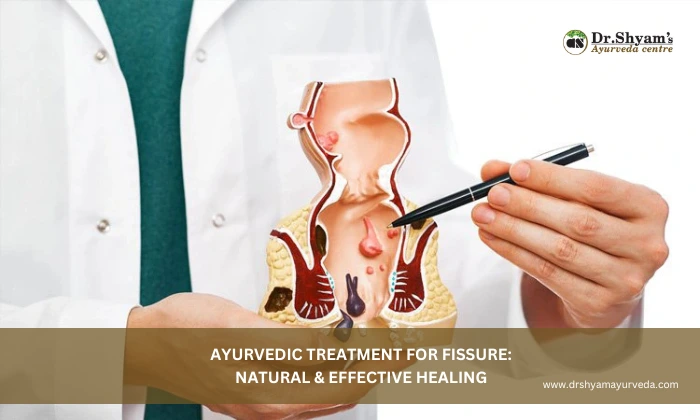
Fissure-in-ano, commonly known as anal fissure, is a small, painful tear or crack in the thin tissue lining the anus. It is a common cause of anal pain, rectal bleeding, and irritation, especially during bowel movements.
Anal fissures are commonly caused by constipation, excessive straining, or passing hard or large stools during bowel movements. They can occur suddenly or gradually. Anal fissures may heal quickly in some individuals, while in others, they persist and become chronic. Although very common in young infants, anal fissures can affect individuals of any age group.
Symptoms of an anal fissure
- Severe and sharp pain during bowel movements
- Burning pain after bowel movements that can last for several hours
- Small amounts of bright red blood on the stool or toilet paper
- A visible crack in the skin around the anus
Some people may also experience:
- Spasm of the anal muscles
- A small lump or skin tag near the tear
Related read: Ayurvedic Knee Treatment
Causes of Anal Fissure According to Ayurveda
In Ayurveda, anal fissure is often correlated with Parikartika, characterized by cutting pain in the anal region. It primarily arises due to the vitiation of Vata dosha, which affects the tissues of the anal canal, including Twak (skin), Rakta (blood), and Mamsa (muscle) in the Guda Pradesha (anal region).
Ayurveda emphasizes that health begins in the gut. When digestive fire becomes weak, it leads to the accumulation of toxins (Ama) and dryness in the body. The primary causes of anal fissure include:
- Constipation (Malabandha): Passage of hard, dry stools damages the delicate anal lining.
- Excess intake of dry (Ruksha), hot (Ushna), spicy (Katu), and salty (Lavana) foods, which aggravate Vata and Pitta doshas.
- Weak digestion (Mandagni): Poor digestive fire leads to toxin accumulation, resulting in inflammation and constipation.
- Lifestyle factors: Sedentary habits, suppression of bowel urges, and prolonged sitting or standing reduce circulation and weaken anal tissues.
- Physical trauma: Injury to the anal canal due to diarrhea, pregnancy or childbirth, or improper use of enemas.
To maintain overall wellness, it is essential to improve gut health naturally to ensure smooth and regular bowel movements.
Ayurvedic Treatment for Fissure
At Dr Shyam’s Ayurveda, Ayurvedic treatment for anal fissure focuses on balancing the doshas, improving digestion, softening stools, and promoting healing of the anal tear. Management includes internal detoxification, herbal formulations, external therapies, and individualized dietary and lifestyle modifications.
Effective Ayurvedic Medicines for Fissure
Ayurvedic medicine for fissure include:
- Gandharvahastadi Kashayam
- Kaishora Guggulu
- Avipattikara Churna
- Gandharvahastadi Tailam
- Nimbamritadi Eranda Tailam
- Jatyadi Ghrta
- Jatyadi Taila
- Triphala Churna
- Abhayarishta
Disclaimer: Always consult an Ayurvedic physician at Dr Shyam’s Ayurveda, the Ayurvedic clinic in Dubai before starting any ayurvedic medicine for fissure to ensure the dosage and formulation are appropriate for your body constitution and condition.
Natural Remedies for Anal Fissure at Home
For mild or early-stage fissures, the following home remedies may provide relief:
- Warm Sitz Bath: Sitting in warm water for 15 minutes after bowel movements helps relax anal muscles. Adding Triphala powder may enhance healing.
- Application of Ghee: Organic cow’s ghee or coconut oil acts as a natural lubricant and soothing agent.
- Aloe Vera Gel: Pure aloe vera helps reduce inflammation and burning sensations.
- Adequate fiber intake: Fruits such as papaya, banana, soaked prunes, and leafy greens help prevent constipation.
Related Read: Natural Treatment for Belly Fat
Panchakarma Treatment for Chronic Fissure
At Dr Shyam’s Ayurveda, Pancharkama treatments are used to balance Vata and Pitta doshas, heal damaged tissue, and correct digestion, offering a non-surgical treatment option for chronic fissures. Recommended therapies include:
- Avagaha Sweda (Sitz Bath): Immersion in warm medicated decoctions such as Triphala or Dashamoola to reduce inflammation and relax anal muscles.
- Basti (Medicated Enema): Administration of medicated oils or decoctions to soften stools, lubricate the rectal lining, and improve bowel regularity.
- Kshara Karma and Ksharasutra (Alkaline Therapy): Specialized parasurgical procedures for non-healing fissures, offering minimal pain, low recurrence rates, and no risk of incontinence when performed appropriately.
- Lepa (Herbal paste): Application of cooling and anti-inflammatory pastes to reduce pain and irritation.
- Pichu (Oil-soaked swabs): Medicated oil-soaked cotton swabs applied locally to promote healing and protect against infection.
Lifestyle Changes to Prevent Fissure Recurrence
Ayurveda places strong emphasis on diet and lifestyle in preventing fissure recurrence. The goal is to regulate bowel movements, strengthen digestion, and maintain healthy daily habits.
- Vata-pacifying diet: Warm, nourishing, and easily digestible foods such as soups, stews, ghee, and whole grains are recommended.
- Gradual increase in fiber intake: Fruits, vegetables, whole grains, oats, and legumes help prevent constipation.
- Adequate hydration: Drinking 2.5–3 liters of water daily helps soften stools.
- Avoid fasting and skipping meals, which can disturb bowel regularity.
- Never suppress bowel urges, as this worsens constipation.
- Avoid straining during bowel movements to prevent reopening of tears.
- Limit toilet time and avoid prolonged sitting on the toilet.
- Maintain proper hygiene using soft wipes or mild cleansing methods.
- Engage in regular physical activity, such as walking or yoga.
- Manage stress through relaxation techniques like deep breathing.
- Avoid prolonged sitting, especially in sedentary occupations.
Related Read: Ayurvedic Treatments For PCOS
Conclusion
Anal fissure may appear to be a minor condition, but when neglected, it can become persistent, painful, and difficult to treat. Temporary measures may reduce discomfort, but without correcting constipation, dryness, and weak digestion, fissures often recur or become chronic.
Ayurveda addresses fissure holistically by restoring gut health, improving bowel regularity, and supporting natural tissue healing. With the combined use of herbal medicines, Panchakarma therapies, and guided lifestyle modifications, safe and long-lasting relief can be achieved.
At Dr Shyam’s Ayurveda in Dubai, fissure management is based on careful evaluation, individualized treatment planning, and preventive care. With timely Ayurvedic intervention and proper guidance, most patients experience significant symptom relief, improved bowel comfort, and enhanced quality of life.
FAQs
1. Is Ayurvedic treatment effective for chronic fissure?
Yes, Ayurvedic treatment can be effective for chronic fissures by addressing the root causes such as constipation, weak digestion, and aggravated Vata dosha. With a combination of herbal medicines, local therapies, and Panchakarma, Ayurveda helps promote tissue healing and reduce recurrence.
2. How long does Ayurvedic treatment take to heal fissure?
Healing time depends on the severity and duration of the fissure. Acute fissures may improve within a few weeks, while chronic fissures may require several months of consistent treatment, along with dietary and lifestyle changes.
3. Can fissures be treated at home using Ayurveda?
Mild fissures can be managed at home with sitz baths, local application of ghee or medicated oils, and a fiber-rich, Vata-pacifying diet. Persistent pain, bleeding, or non-healing fissures require professional Ayurvedic consultation.
4. Is Panchakarma safe for fissure patients?
Yes. Panchakarma therapies are generally safe when performed under the supervision of experienced Ayurvedic physicians. Procedures such as Basti and Avagaha Sweda are carefully customized to soothe the anal region, improve bowel movements, and promote healing.